

News & Updates
How to Extend the Life of Your Heat Exchanger: Maintenance Best Practices


Heat exchangers are critical components in nearly every industrial process — from chemical processing, pulp and paper, plastics and rubber processing and power generation. Whether you’re operating a shell & tube, plate & frame, air-cooled, or electric process heater, proper maintenance directly impacts performance, reliability, and equipment lifespan.
Thermal Products Inc specializes in the design of heat transfer and process heat exchangers and electric heaters. Consistent maintenance and monitoring can extend exchanger life and reduce costly downtime. Here are a few key best practices:
- Maintain Clean Heat Transfer Surfaces
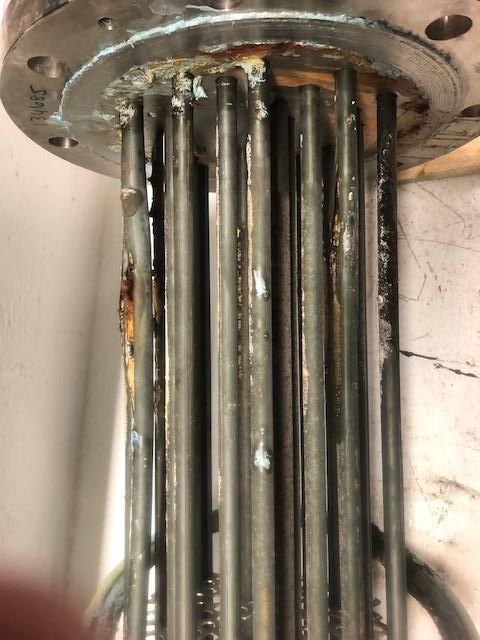
Fouling, scaling, and buildup can greatly reduce the efficiency and lifespan of heat exchangers and electric heaters. Fouling occurs when contaminants such as oil, rust, or debris collect on heat transfer surfaces, creating an insulating layer that restricts heat transfer and increases energy use. Scaling, typically caused by calcium or magnesium deposits, forms a hard layer that further reduces thermal efficiency and can lead to overheating, tube failure, or heater element burnout. General buildup from sludge or biological growth can block flow channels and promote corrosion under the deposits, leading to costly downtime and repairs.
Regular maintenance is key to prevention. Using proper filtration, maintaining clean process fluids, and performing scheduled cleanings or chemical treatments can minimize buildup. Monitoring temperature and pressure changes from inlet to outlet helps identify early signs of fouling, and maintaining adequate flow across heating surfaces ensures reliable, efficient operation.
2. Monitor for Pressure Drop and Temperature Changes
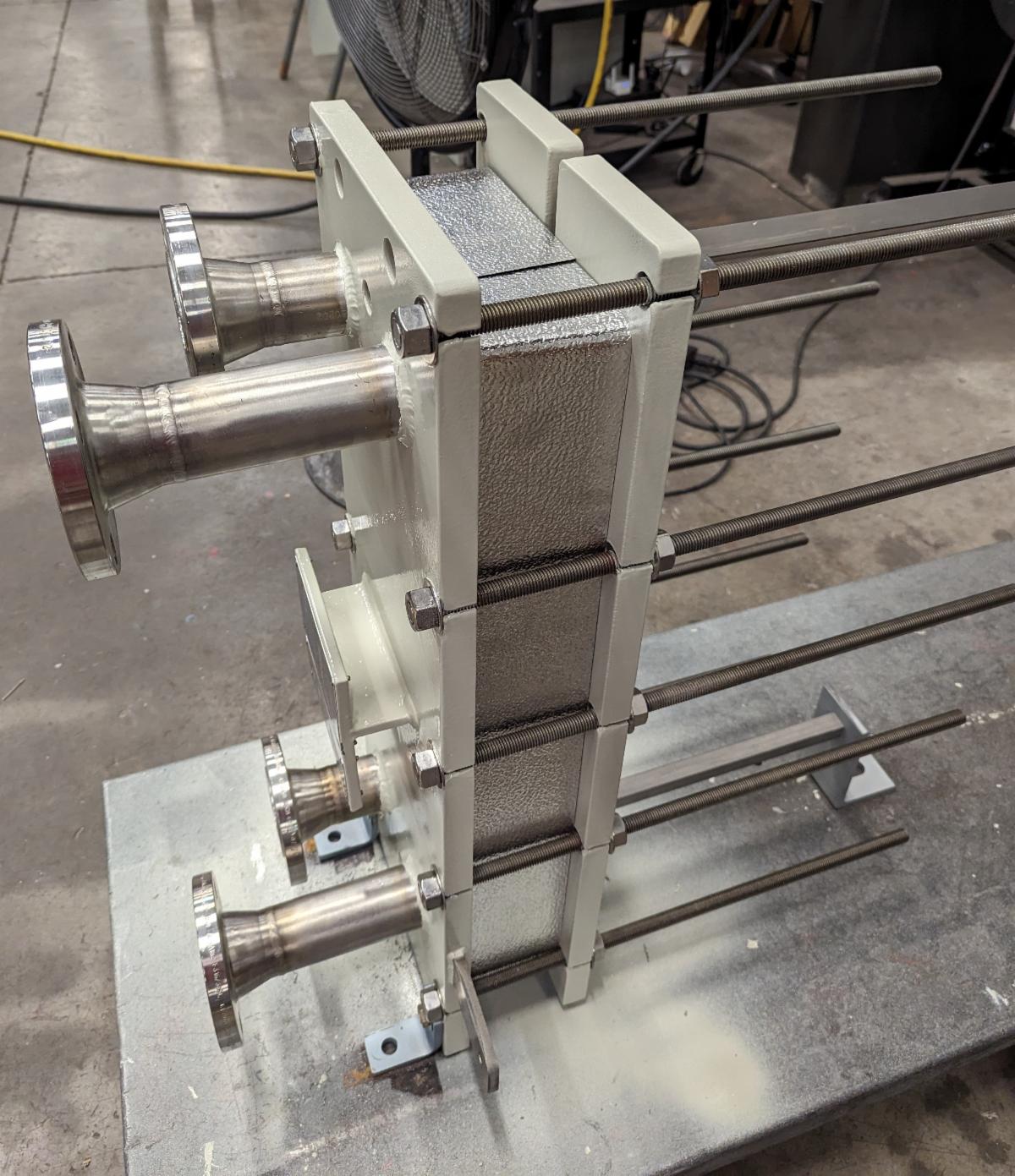
A sudden increase in pressure drop or a decrease in the design temperature difference (ΔT) across a heat exchanger or electric heater typically indicates a performance issue such as fouling, scaling, or flow restriction. When fouling or scaling occurs, deposits build up on heat transfer surfaces, reducing the flow area and increasing resistance, which causes the pressure drop to rise. This buildup also acts as an insulating layer, reducing heat transfer efficiency and leading to a lower ΔT between the inlet and outlet fluids. Other potential causes include flow imbalance, debris blockage, internal bypassing, or changes in process conditions. When both a higher pressure drop and a reduced ΔT occur simultaneously, it is often a clear sign that the exchanger or electric heater requires cleaning or inspection to restore proper operation and efficiency.
3. Inspect for Leaks and Corrosion
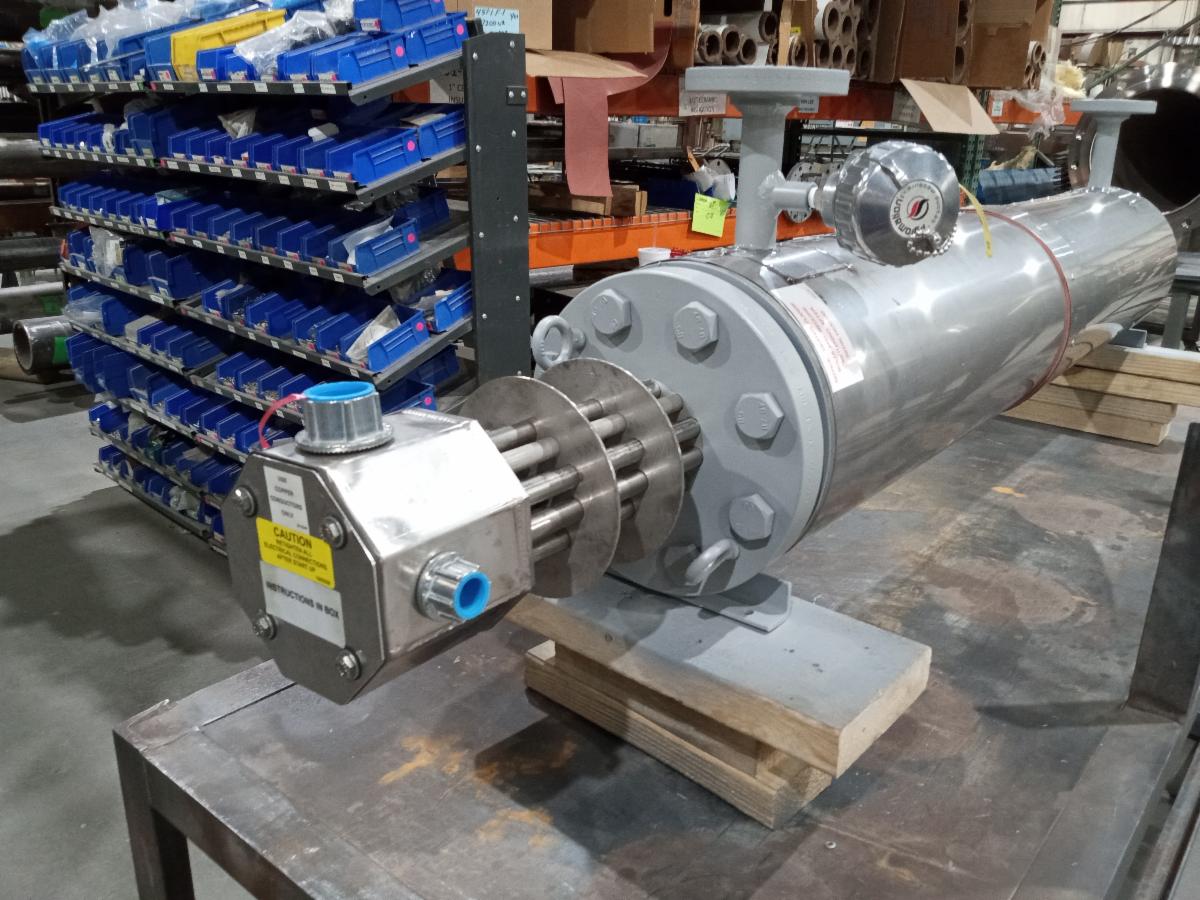
For shell & tube, plate exchangers, air-cooled exchangers or electric circulation heaters, periodic inspections of tubes, seals, and headers can prevent small leaks from developing into major repairs. Using corrosion-resistant materials and maintaining proper fluid chemistry are also critical for long-term reliability.
4. Ensure Proper Process and Utility Flow and Temperature Control
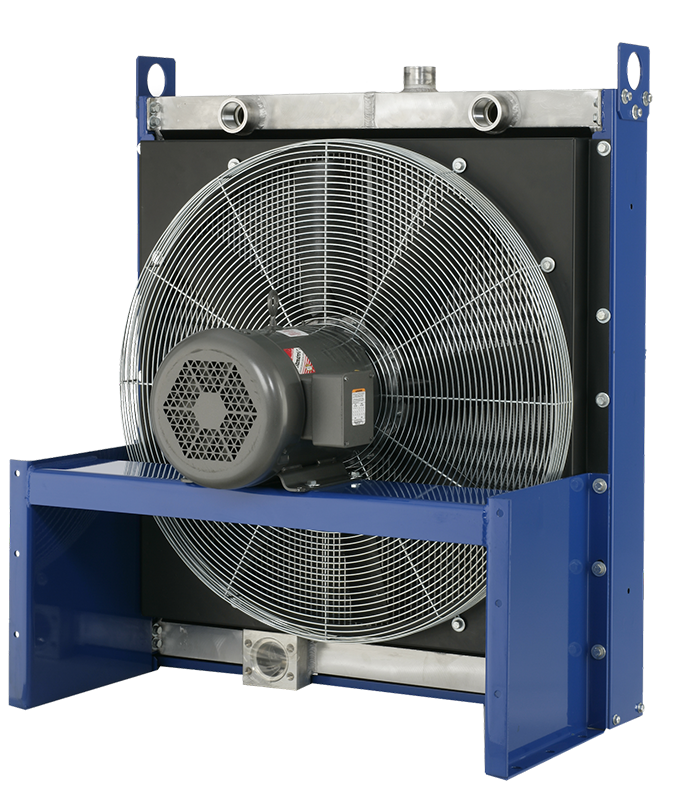
Uneven flow distribution or operating outside the recommended temperature range can create excessive thermal stress within the heat exchanger or electric heater, which may lead to tube expansion, warping, or premature equipment failure. It’s important to regularly monitor process conditions and confirm that both flow rates and temperature differentials remain within the manufacturer’s design specifications to ensure reliable, long-term performance.
5. Schedule Regular Professional Inspections
Partnering with a qualified distributor or service provider like Thermal Products Inc ensures your equipment receives expert evaluation and proper maintenance. Routine performance testing, flow analysis, and infrared thermal imaging can identify inefficiencies, hot spots, or developing issues before they lead to costly downtime or equipment failure. For inspection services and expert technical support, partner with Thermal Products Inc. by contacting your local Thermal Products Inc. sales engineer to schedule an assessment.